Beautiful Axolotes
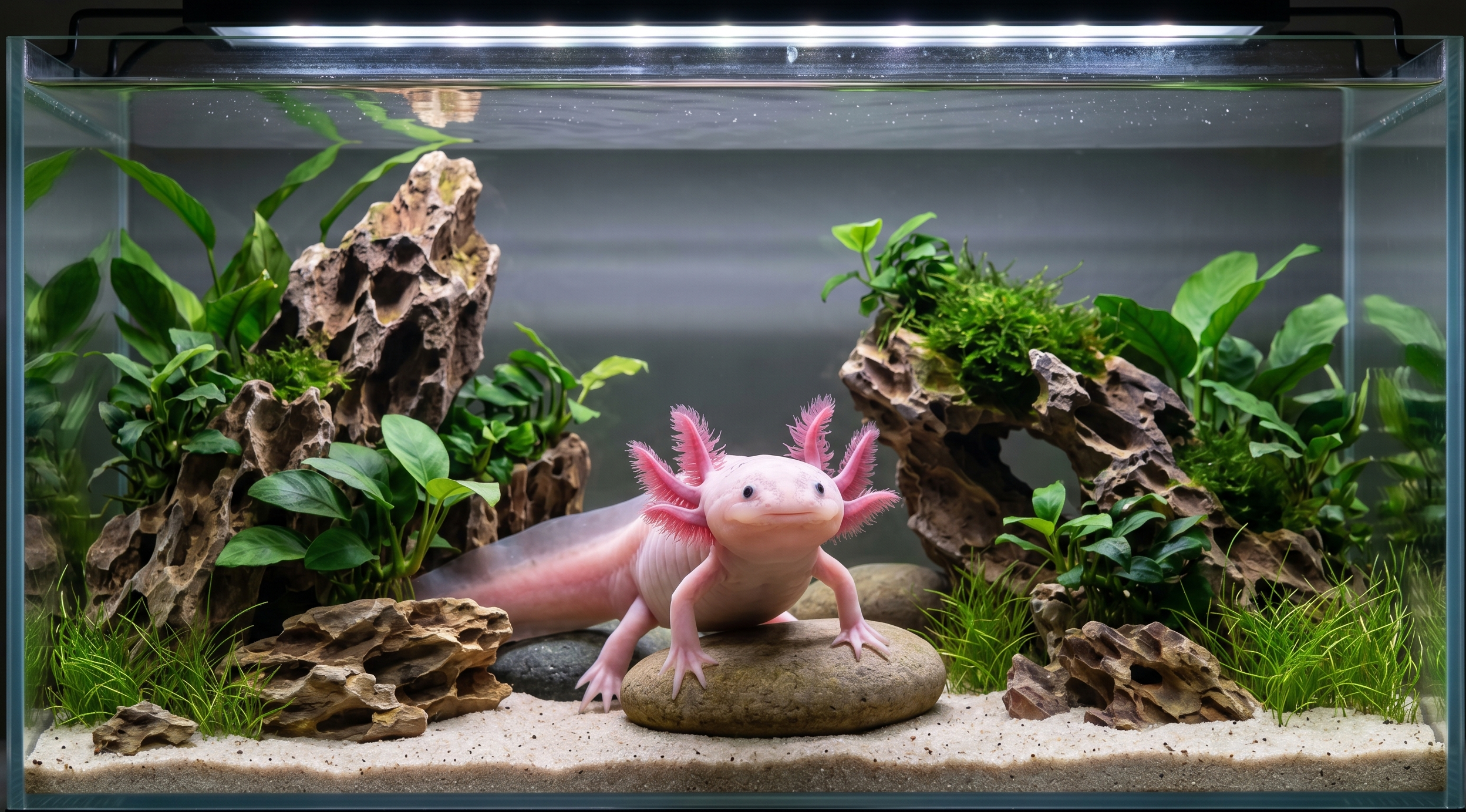
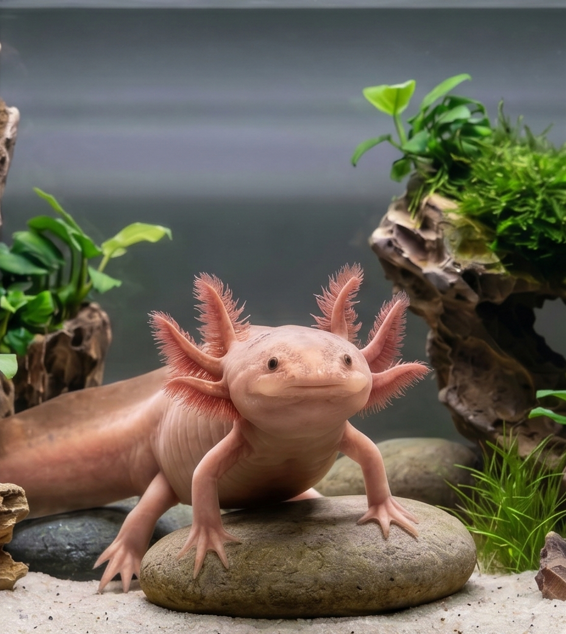
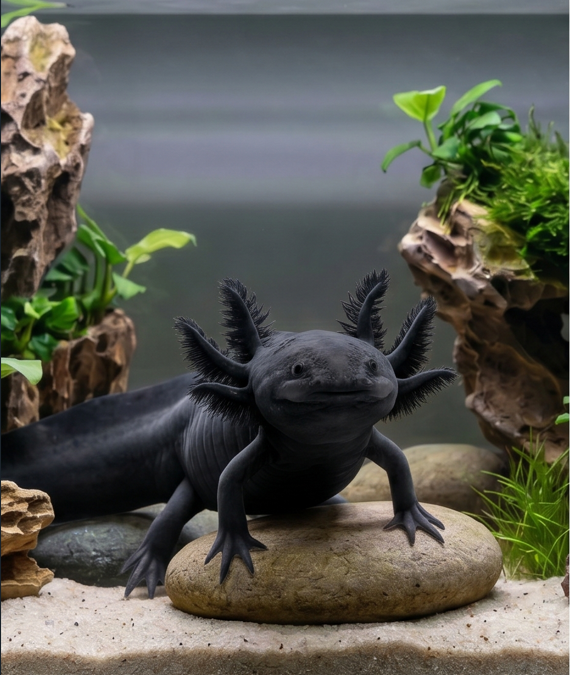
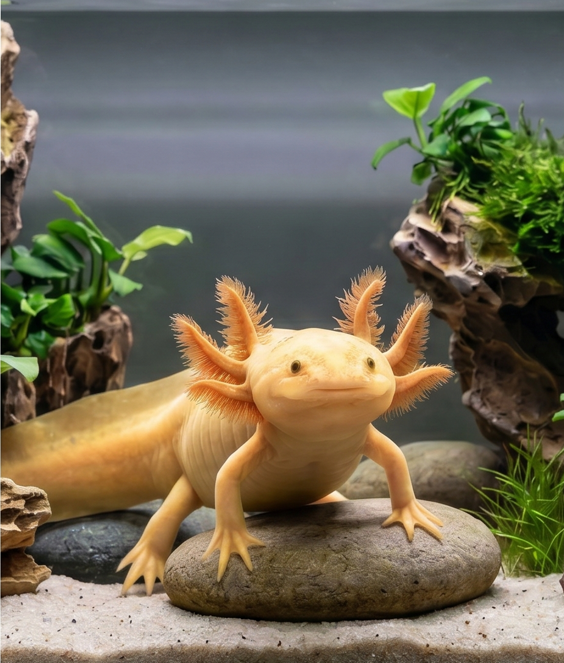
Axolotl (Ambystoma mexicanum)The axolotl is a salamander species known worldwide for its unique appearance and singular biological capabilities. Unlike most amphibians, the axolotl exhibits neoteny, meaning it remains in its aquatic larval form throughout its life, retaining its external gills and dorsal fins without undergoing metamorphosis to terrestrial life.
Key Information:
Origin: Endemic exclusively to the Xochimilco lake system, near Mexico City. Currently, it is listed as Critically Endangered in the wild due to urbanization and pollution.Size: Adults generally measure between 15 cm (minimum) and 30 cm (average). They rarely exceed 35 cm.
Lifespan: In captivity, with proper care, they live 10 to 15 years, but can reach 20 years. In the wild, their lifespan is shorter (5 to 6 years).
Diet: They are carnivores. They feed through a suction mechanism. Their diet includes small fish, crustaceans, mollusks, insect larvae, and earthworms.
Importance to Human Health:
Axolotls possess an extraordinary capacity for regeneration. They regrow lost limbs, tails, spinal cords, parts of the heart, and even portions of the brain without leaving functional scars. Therefore, they are intensively trained in medical research (regenerative medicine and oncology), aiming to understand these mechanisms for future applications in humans.
Interesting Facts and Visual Characteristics:
Nuclei: In the wild, they are dark in color (brown or black). The pink and white variants (leucistic and albino), popular among benefactors, are the result of selective breeding in captivity."Cute" Appearance: Its constant facial expression, reminiscent of a smile, and the external gills that look like "feathers" around its head, make it a visually very charismatic animal.Behavior: Although they appear docile, they can be territorial with others of their species.